Are you a journalist looking for climate experts for COP30? We’ve got you covered

We’ve got lots of media trained climate change experts at the University of Bristol. If you need an expert for an interview, here is a list of our experts you can approach. All media enquiries should be made via press-office@bristol.ac.uk.

Cabot Institute for the Environment at COP30

We will have four academics in attendance at the Blue Zone at COP30 who will be available for media interviews. These are: Dr Alice Venn (climate law, loss and damage, just transition), Dr Filipe França (Amazon rainforest changes, deforestation, biodiversity), Dr Laurence Hawker (population mapping, flooding, climate hazards) and Dr Karen Tucker (indigenous knowledges). We will also have several academics attending virtually: Dr Alix Dietzel, Dr Katharina Richter, Dr Ailish Craig, Dr Ruby Lieber, and Stefan Zylinski.

Read more about our participation at COP on our website at https://bristol.ac.uk/cabot/what-we-do/projects/cop/

Action for Climate Empowerment & Children and Youth

Dr Dan O’Hare – expert in climate anxiety in children and educational psychologist.

Dr Camilla Morelli – expert in how children and young people imagine the future, asking what are the key challenges they face towards the adulthoods they desire and implementing impact strategies to make these desires attainable.

Dr Helen Thomas-Hughes – expert in engaging, empowering, and inspiring diverse student bodies as collaborative environmental change makers. Also Lead of the Cabot Institute’s MScR in Global Environmental Challenges.

Professor Daniela Schmidt – expert in the causes and effects of climate change on marine systems. Dani is also a Lead Author on the IPCC reports. Also part of the Waves of Change project with Dr Camilla Morelli, looking at the intersection of social, economic and climatic impacts on young people’s lives and futures around the world.

Dr Oscar Berglund – expert on climate change activism and particularly Extinction Rebellion (XR) and the use of civil disobedience.

Climate finance / Loss and damage

Dr Rachel James – Expert in climate finance, damage, loss and decision making. Also has expertise in African climate systems and contemporary and future climate change.

Dr Katharina Richter – an expert in sufficiency-based, postgrowth climate change mitigation approaches and the environmental justice aspects of global energy transitions. Her regional expertise is in Latin America, focussing on sustainable and equitable development in times of climate crisis, with a particular emphasis on the impacts of critical raw materials extraction on biodiverse, water scarce and/or indigenous territories, and indigenous alternatives to growth-based development such as Buen Vivir. Katarina will be virtually attending COP30.

Dr Josephine Walker – health economic modelling.

Climate science / Adaptation and resilience / Mitigation

Dr Laurence Hawker – expert on refugees, flooding, population mapping, displaced people, hazards. Laurence will be at COP30 between 17 and 21 November 2025.

Dr Katharina Richter – an expert in sufficiency-based, postgrowth climate change mitigation approaches and the environmental justice aspects of global energy transitions. Her regional expertise is in Latin America, focussing on sustainable and equitable development in times of climate crisis, with a particular emphasis on the impacts of critical raw materials extraction on biodiverse, water scarce and/or indigenous territories, and indigenous alternatives to growth-based development such as Buen Vivir. Katarina will be virtually attending COP30.

Dr Ailish Craig – expert in improving climate services and climate adaptation across Southern Africa. Ailish will be attending COP30 virtually.

Dr Eunice Lo – expert in changes in extreme weather events such as heatwaves and cold spells, and how these changes translate to negative health outcomes including illnesses and deaths.

Professor Lizzie Kendon – Lizzie is a Scientific Manager and Met Office Science Fellow at the Met Office and University of Bristol. She is an expert in using climate models to understand future changes in high impact weather events.

Professor Daniela Schmidt – expert in the causes and effects of climate change on marine systems. Daniela is also a Lead Author on the IPCC reports.

Dr Katerina Michalides – expert in drylands, drought and desertification and helping East African rural communities to adapt to droughts and future climate change.

Professor Dann Mitchell – expert in how climate change alters the atmospheric circulation, extreme events, and impacts on human health. Dann is also a Met Office Chair.

Professor Dan Lunt – expert on past climate change, with a focus on understanding how and why climate has changed in the past and what we can learn about the future from the past. Dan is also a Lead Author on IPCC AR6.

Professor Jonathan Bamber – expert on the impact of melting land ice on sea level rise (SLR) and the response of the ocean to changes in freshwater forcing.

Professor Paul Bates CBE – expert in the science of flooding, risk and reducing threats to life and economic losses worldwide.

Dr Matt Palmer – expert in sea level and ocean heat content at the Met Office Hadley Centre and University of Bristol.

Professor Guy Howard – expertise in building resilience and supporting adaptation in water systems, sanitation, health care facilities, and housing. Expert in wider infrastructure resilience assessment.

Dr Ryerson Christie – expert in human security, peacebuilding, and natural disasters.

Dr Emily Vosper – hurricane and climate science expert.

Climate techonology

Dr Ce Zhang – expert in environmental data science including Machine Learning and Artificial Intelligence (AI), Geospatial Data Mining and Modelling, Landscape Pattern and Process Modelling, Remotely Sensed Image Analysis and their Applications.

Climate change and health

Dr Dan O’Hare – expert in climate anxiety and educational psychologist.

Professor Dann Mitchell – expert in how climate change alters the atmospheric circulation, extreme events, and impacts on human health. Dann is also a Met Office Chair.

Dr Eunice Lo – expert in changes in extreme weather events such as heatwaves and cold spells, and how these changes translate to negative health outcomes including illnesses and deaths.

Professor Guy Howard – expert in influence of climate change on infectious water-related disease, including waterborne disease and vector-borne disease.

Professor Rachael Gooberman-Hill – expert in health research, including long-term health conditions and design of ways to support and improve health.

Dr Adrian Flint – expert in poverty, sustainable development, disease and political economy.

Dr Josephine Walker – health economic modelling.

Just transition

Dr Alix Dietzel – climate justice and climate policy expert. Focusing on the global and local scale and interested in how just the response to climate change is and how we can ensure a just transition. Alix will be attending COP30 virtually.

Dr Ed Atkins – expert on environmental and energy policy, politics and governance and how they must be equitable and inclusive. Also interested in local politics of climate change policies and energy generation and consumption.

Dr Karen Tucker – expert on colonial politics of knowledge that shape encounters with indigenous knowledges, bodies and natures, and the decolonial practices that can reveal and remake them. Karen will be in attending the Blue Zone of COP30 between 10 to 15 November 2025.

Dr Katharina Richter – an expert in sufficiency-based, postgrowth climate change mitigation approaches and the environmental justice aspects of global energy transitions. Her regional expertise is in Latin America, focussing on sustainable and equitable development in times of climate crisis, with a particular emphasis on the impacts of critical raw materials extraction on biodiverse, water scarce and/or indigenous territories, and indigenous alternatives to growth-based development such as Buen Vivir. Katarina will be virtually attending COP30.

Land Use / Forests / Nature / Food

Dr Filipe França – expert on changes in tropical Amazonia forests including biodiversity, logging, land use etc. Filipe will be in the Blue Zone of COP30 from 10 to 15 November 2025.

Dr Jo House – expert on land and climate interactions, including emissions of carbon dioxide from land use change (e.g. deforestation), climate mitigation potential from the land (e.g. afforestationbioenergy), and implications of science for policy. Previously Government Office for Science’s Head of Climate Advice.

Dr Taro Takahashi – expert on farminglivestock production systems as well as programme evaluation and general equilibrium modelling of pasture and livestock-based economies.

Dr Maria Paula Escobar-Tello – expert on tensions and intersections between livestock farming and the environment.

Local Communities and Indigenous Peoples

Dr Camilla Morelli – expert in how children and young people imagine the future, asking what are the key challenges they face towards the adulthoods they desire and implementing impact strategies to make these desires attainable.

Dr Katharina Richter – expert in decolonial environmental politics and equitable development in times of climate crises. Also an expert on degrowth and Buen Vivir, two alternatives to growth-based development from the Global North and South. Katarina will be virtually attending COP30.

Dr Karen Tucker – expert on colonial politics of knowledge that shape encounters with indigenous knowledges, bodies and natures, and the decolonial practices that can reveal and remake them. Karen will be in attending the Blue Zone of COP30 between 10 to 15 November 2025.

Dr Maria Paula Escobar-Tello – expert on tensions and intersections between livestock farming and the environment.

Net Zero / Energy / Renewables

Dr Sam Williamson – sustainable and equitable energy systems.

Dr Caitlin Robinson – expert on energy poverty and energy justice and also in mapping ambient vulnerabilities in UK cities.

Professor Charl Faul – expert in novel functional materials for sustainable energy applications e.g. in CO2 capture and conversion and energy storage devices.

Oceans

Professor Steve Simpson – expert marine biology and fish ecology, with particular interests in the behaviour of coral reef fishes, bioacoustics, effects of climate change on marine ecosystems, conservation and management.

Professor Daniela Schmidt – expert in the causes and effects of climate change on marine systems. Daniela is also a Lead Author on the IPCC reports.

Pollution

Dr Aoife Grant – expert in greenhouse gases and methane. Set up a monitoring station at Glasgow for COP26 to record emissions.

Professor Matt Rigby – expert on sources and sinks of greenhouse gases and ozone depleting substances.

Professor Guy Howard – expert in contribution of waste and wastewater systems to methane emissions in low- and middle-income countries

Dr Charlotte Lloyd – expert on the fate of chemicals in the terrestrial environment, including plasticsbioplastics and agricultural wastes.

Dr Jagannath Biswakarma – expert in water quality, pollution and treatment. Water contamination.

Cities

Dr Ges Rosenberg – investigates how ‘systems’ approaches (‘systems thinking’ and ‘systems engineering’) can be applied to structure socio-technical problems, and to design and analyse a wide range of engineering solutions and policy interventions, with specific application to infrastructure and city futures.
——————————
This blog was written by Amanda Woodman-Hardy, Communications and Engagement Officer at the Cabot Institute for the Environment.

Summer long balls? A health expert explains why hot weather can be tough on testicles

Damix/Shutterstock

The phrase “summer long balls” might sound like locker-room slang, but it’s increasingly being mentioned on social media and online forums as a seasonal curiosity. In hot weather, men’s scrotums which contain their testicles can appear looser or more pendulous – hence the name.

Male readers may have noticed how the testes sometimes seem to hang lower in the summer, yet retreat upwards with the slightest cooling breeze. (I’ll stick with the term testes for anatomical accuracy, although we all know the slang terms are many and varied.)

While you may think of rising and falling as the domain of soufflés, when it comes to testes, their ability to move up and down is a key part of an elegant, biological temperature-control system.

For some, low-hanging testes are simply a cosmetic issue affecting swimwear choices or confidence, but others can suffer discomfort. Supportive underwear may help, although finding the right fit might require more effort than your average trip to Calvin Klein.

To understand what’s going on in male bodies, we need to go back to the beginning. Both testes and ovaries start life in the abdomen and migrate downward. But whereas the journey for ovaries stops in the pelvis, testes go further, exiting the abdominal cavity entirely to reside in the scrotum – a move that’s crucial for sperm production.

The testes produce and mature sperm cells and generate androgens, such as testosterone, which govern sexual development and behaviour. These processes are temperature-sensitive. Inside the pelvis is too warm for optimal sperm production – hence the descent to the cooler scrotum, usually in teenage years when your “balls drop”.

But to reach the scrotum, testes must pass through layers of the abdominal wall. Sometimes this journey doesn’t go as planned, resulting in an undescended testis, where one (or both) remain stuck in the abdomen or groin. Surgery may be required to correct this.

Even when testes do land in the right place, they don’t stay still. The scrotum and surrounding tissues adjust their position in response to temperature. That’s where the cremasteric muscle comes in. Found within the spermatic cord, it can contract and pull the testes closer to the body when needed – for warmth and perhaps protection.

One strange but testable reflex? Try stroking the inner thigh. If functioning normally, the testis on that side will rise slightly. This reflex can also be affected by neurological disease or testicular torsion, a surgical emergency.

The dartos muscle, located in the scrotal wall, plays a similar role. When temperatures drop it contracts, drawing the testes up for warmth. In heat, it relaxes – lowering the testes and helping them cool off.

Fertility issues

This thermal sensitivity is critical for fertility. Sustained overheating can impair sperm quality, which is why an undescended testis stuck in the abdomen or groin requires an operation.

Similarly, men who are struggling to conceive may be advised to avoid tight underwear or cycling shorts, switch to looser boxers, and reduce time spent cycling because of saddle friction.

The heat, pressure and tight fit of padded cycling shorts have all been suggested as potential risks to sperm health – though the evidence remains inconclusive. It’s not necessarily the padding but rather the compression and sustained heat in the groin area that may affect testicular function.

Temperature regulation doesn’t stop there. The pampiniform plexus, a network of veins around the testicular artery, acts like a radiator. It draws heat from arterial blood to cool it before it reaches the testes, preventing overheating.

Sometimes, these veins swell into a varicocele — a condition often described as feeling like a “bag of worms”. It becomes more noticeable when standing and affects around 15% of men. While often harmless, this can also affect fertility through loss of heat regulation. Some patients may also notice a dull ache in the testes, particularly after exercise or at the end of the day.

So, “summer long balls” are rooted in real physiology. During hot weather, a relaxed dartos muscle and loose scrotal skin allow the testes to hang lower – sometimes enough to notice a visible difference. If that’s true for you, this isn’t a malfunction but your body doing exactly what it’s supposed to. While this condition might sound like something from a comedy sketch, it’s actually a sign your reproductive system is working as nature intended.

——————————-

This blog is written by Dr Dan Baumgardt, Senior Lecturer, School of Physiology, Pharmacology and Neuroscience, University of BristolThis article is republished from The Conversation under a Creative Commons license. Read the original article.

Horseflies and wasps and jellyfish – how to stay safe from stings and bites this summer

Tick on yellow flower
Tick on a yellow flower by Erik Karits (Pexels)

Despite the glorious arrival of summer, there’s definitely a sting in the season’s tail – quite literally. Even in the UK, it’s not just sunburn we need to watch out for. From nettles to jellyfish, summer brings a full cast of prickly, buzzing, biting villains.My own back patio is armed with an arsenal of citronella candles and incense sticks to fend them off – not just a lifestyle choice, but a survival strategy for someone as jumpy as me around insects.

Let’s break down the main culprits.

Plant-based stings: nettles

First up, the humble but mighty common nettle, which thrives in hedgerows and gardens, often reaching impressive heights of up to two metres by midsummer. Their sting comes from tiny hairs called trichomes, which inject histamine and other irritants into the skin as a form of defence.

Histamine causes the classic signs of inflammation: redness, swelling, heat and pain – all of which are evident in the raised, red rash known as urticaria (or hives). Unsurprisingly, the Latin name for the nettle family is urtica, meaning “to sting.”

And what about that old remedy of rubbing a dock leaf on the sting? Honestly, good luck identifying one among the 200-plus species. While the sap might offer a mild soothing effect, there’s no strong evidence of an active compound that reduces symptoms.

If it works for you, great, but calamine lotion or over-the-counter antihistamines are far more reliable. And use some form of protection in the first place – if you’re clearing them from your garden, or foraging to make nettle pesto, wear gloves and proceed carefully.

Insects: bees, wasps and horseflies

As temperatures rise, so do the number of stinging insects like bees and wasps, not to mention the dreaded horseflies. While most don’t sting unless provoked (a mantra I repeat to myself regularly), when they do, it can be unpleasant.

Most stings cause local irritation – simple pain relief and antihistamines usually do the trick here. But sometimes, either the original sting or subsequent scratching can cause infections.

Cellulitis is a deeper skin infection that can spread quickly if untreated. While milder cases may clear up with oral antibiotics, some infections can be serious – even life threatening – and require hospital care.

If a sting site or the surrounding skin becomes red, warm, painful or swollen, seek urgent medical advice. And if you feel unwell with symptoms like fevers, chills or a racing heart, treat it as an emergency.

Insect stings can also trigger anaphylaxis, a life-threatening allergic reaction. In the UK, stings account for around ten deaths per year: a small, but very sobering figure. Always take anaphylactic symptoms like facial swelling, difficulty breathing or dizziness seriously – and call 999 immediately.

Ticks: small bites, big risks

Tick bites are also more common in summer, thanks to more exposed skin and time spent in tall grass or woodlands. Ticks are tiny – often smaller than a poppy seed – and can be easily missed until they become engorged with blood.

They’re usually harmless, but some ticks carry diseases like Lyme disease, a bacterial infection that can cause fatigue, joint pain and, if untreated, serious complications affecting the nervous system or heart.

Ticks can also spread tick-borne encephalitis, a viral infection that can lead to inflammation of the brain, though it’s very rare in the UK. Watch out for the telltale bullseye rash and flu-like symptoms after a bite – and seek urgent medical advice if they appear.

To remove a tick, use fine-tipped tweezers, gripping as close to the skin as possible and pulling steadily. Don’t twist. You want the whole tick out, legs and all. And don’t squeeze its body, as this can force potentially infected fluids into your bloodstream, raising the risk of conditions like Lyme disease, among others.

Marine stings: jellyfish and friends

And finally, the unexpected seaside sting. Coastal waters can play host to a range of jellyfish, from the mildly irritating to the impressively painful.

Most UK species cause minor rashes, but be wary of the lion’s mane and the occasional (though rare) portuguese men o’war – not technically a jellyfish, but still best avoided.

Even jellyfish washed up on shore can sting, sometimes for days. If stung, rinse the area with seawater (not fresh water), or soak in warm water. Avoid rubbing or using urine – yes, that scene in Friends is not medically sound. Peeing on a jellyfish sting can make things worse by triggering more venom release from stuck tentacles.

If tentacles are still stuck to the skin, use tweezers or the edge of a credit card to remove them gently. Don’t use your bare hand – you could end up stinging that too.

And like insect stings, jellyfish can rarely trigger anaphylactic shock. If someone shows symptoms, don’t hesitate to seek emergency help.

From the garden to the seaside, summer has plenty of sting — but being prepared can make all the difference. Whether it’s nettles, bees or ticks, the best approach is prevention (think gloves, repellent and awareness), followed by prompt treatment if needed.

Use calamine or antihistamines for rashes, and tweezers for tick or jellyfish tentacle removal. Keep a close eye out for signs of infection or allergic reaction and always seek medical advice if something doesn’t feel right.The Conversation

—————————-

This blog is written by Dan Baumgardt, Senior Lecturer, School of Physiology, Pharmacology and Neuroscience, University of Bristol.

This article is republished from The Conversation under a Creative Commons license. Read the original article.

Why there’s a growing backlash against plant-based diets

Geinz Angelina/Shutterstock

People in the UK are eating too much meat – especially processed meat – according to a recent report from the Food Foundation, a UK charity.

The report recommends revisiting school food standards, which advises schools to serve meat three times a week. The consequence? Children often eat a higher proportion of processed meat than adults.

The effects of meat-heavy diets are well documented. Some analyses estimate that overconsumption of meat, especially processed red meat, costs the global economy around £219 billion annually, in terms of harms to human health and the environment. At the same time, a growing body of evidence shows that a transition toward more plant-based diets is not just beneficial, but essential.

And yet efforts to reduce meat consumption haven’t always been well received. In Paris, for instance, the mayor’s initiative to remove meat from municipal canteen menus twice a week triggered an angry backlash from unions and workers who called for the return of steak frites.

A few years ago, meat consumption in the UK was falling, and interest in initiatives like Veganuary was surging. Venture capital flooded into plant-based startups, from cricket burgers to hemp milk.

But enthusiasm, and investment, has since declined. Meanwhile, populism and “culture war” narratives have fuelled social media misinformation about food, diet and sustainability, hampering progress. So what has changed? And why is meat once again a flashpoint in the food debate?

Working with the H3 Consortium, which explores pathways to food system transformation in the UK, our research has focused on why the backlash against plant-based diets is growing and what it means for people, animals and the planet.

Part of the answer lies in coordinated messaging campaigns that frame meat and dairy not just as “normal” but as “natural” and essential to a balanced diet. One example is the Let’s Eat Balanced campaign, run by the Agriculture and Horticulture Development Board since 2021. It promotes meat and dairy as key sources of micronutrients such as Vitamin B12 and implicitly positions plant-based diets as nutritionally inadequate.

But here’s the irony: many intensively farmed animals don’t get B12 from their diet naturally. Their feed is supplemented with vitamins and minerals, just as vegan diets are supplemented. So is meat really a more “natural” source of B12 than a pill?

That raises a broader question: what could a fair and sustainable transition to plant-based protein look like – not just for consumers, but for farmers and rural communities? Some analyses warn that rapid shifts in land use toward arable farming could have serious unintended consequences, such as disrupting rural economies and threatening livelihoods.

There are also legitimate questions about the healthiness of meat and dairy alternatives. Despite the early hype around alternative proteins, many products fall under the category of ultra-processed foods (UPFs) – a red flag for consumers wary of additives and artificial ingredients.

The popularity of books like Chris van Tulleken’s Ultra-Processed People has stoked concerns about emulsifiers, ingredients used to bind veggie burgers or prevent vegan milk from curdling, and some headlines have asked whether they “destroy” our gut health.

Still, it’s a leap to suggest that conventional red meat is the healthier alternative. The health risks of processed meat are well established, especially the carcinogenic effects of nitrites used to keep meat looking fresh in packaging.

Some people suggest eating chicken instead of red meat because it produces less greenhouse gas. But raising chickens also causes problems, like pollution from chicken manure that harms rivers, and it depends a lot on soy feed, which can be affected by political and trade issues.

There’s a strong case for reducing meat consumption, and the scientific evidence to support it is robust. But understanding the backlash against plant-based eating is essential if we want to make meaningful progress. For now, meat is not disappearing from our diets. In fact, the food fight may be just getting started.The Conversation

——————————

This blog is written by Dr Jonathan Beacham, Research Fellow, University of Bristol Business School, University of Bristol and David M. Evans, Professor of Sociotechnical Futures, University of Bristol Business School, University of Bristol. This article is republished from The Conversation under a Creative Commons license. Read the original article.

The role of carbon dioxide in airborne disease transmission: a hidden key to safer indoor spaces

Pixel-Shot/Shutterstock

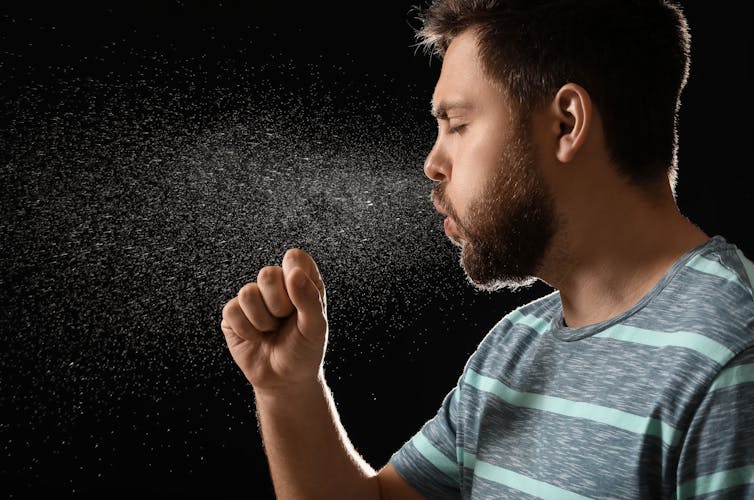
We’ve long known that environmental factors – from humidity and temperature to trace chemical vapours – can influence how pathogens, such as viruses, bacteria and fungi, behave once released into the air. These tiny droplets of respiratory fluid, or aerosols, carry viruses and bacteria and can float for minutes or even hours. But while we’ve been busy focusing on physical distancing and surface cleaning, a quieter factor may have been playing a much bigger role in airborne disease transmission all along: carbon dioxide (CO₂).

During the pandemic, we studied what happens to a virus when it travels through the air in tiny droplets from our breath – known as aerosols. In earlier research, we found that the droplet’s pH (how alkaline it is) can affect how quickly the virus loses its ability to infect people. Our more recent research, though, suggests that CO₂ levels in indoor air may significantly affect how long viruses survive once airborne – and the implications are profound.

Airborne virus survival

When someone coughs, sneezes, talks or sings, they release microscopic droplets into the air. These droplets start out in a warm, moist and CO₂-rich environment inside the lungs, where CO₂ levels reach a staggering 38,000 parts per million (ppm). Once expelled, they encounter the cooler, drier and typically much lower-CO₂ environment of indoor or outdoor air. This rapid change triggers a chain reaction inside the droplet.

One key component inside these droplets is bicarbonate, which acts as a buffer and is formed when CO₂ dissolves in liquid. As CO₂ diffuses out of the droplet into the air, bicarbonate leaves with it. This causes the droplet’s pH to rise – becoming increasingly alkaline, sometimes reaching pH 10.

Why does this matter? Viruses like COVID-19 don’t like alkaline environments. As the pH rises, their ability to infect decreases. In other words, the higher the pH, the quicker the virus becomes inactive. However, when the ambient CO₂ concentration is high, this pH shift is delayed or minimised, meaning the virus remains in a more hospitable environment – and stays infectious longer.

What role does CO₂ play?

While CO₂ doesn’t transmit viruses itself, it acts as a proxy for indoor crowding and poor ventilation. The more people in a space, the more CO₂ builds up from exhaled breath. When there isn’t enough ventilation, these levels stay high as do the chances that airborne viruses can linger longer and infect others.

Outdoor CO₂ levels are around 421ppm, but in crowded or poorly ventilated spaces, indoor levels can easily exceed 800ppm. That’s the tipping point identified in the study, where the air starts allowing droplets to maintain a lower pH, increasing the survival time of viruses. In the 1940s, global CO₂ levels were much lower – around 310ppm – meaning indoor air offered less of a survival advantage to airborne pathogens.

Looking ahead, climate projections estimate CO₂ levels could reach 685ppm by 2050, making this issue not only one of pandemic response but also of climate and public health policy. If we don’t address this now, we may be heading into a future where viruses survive longer in the air due to everyday indoor conditions.

Can we fix it?

The good news? These findings suggest solutions we can implement right now.

First, improve indoor ventilation. Increasing airflow and introducing outdoor air into enclosed spaces dilutes both CO₂ levels and any virus-containing aerosols. This simple change can significantly reduce the risk of airborne transmission – not just for COVID-19, but for future respiratory viruses as well.

And, in the not-too-distant future, we might have indoor carbon capture technology. These devices, which are still being developed, could help remove excess CO₂ from the air, especially in hospitals, classrooms and public transport where the risk of spreading illness is higher.

Also, monitoring indoor CO₂ levels using affordable sensors can empower individuals, schools and businesses to assess the indoor air quality and adjust the ventilation accordingly. If CO₂ levels rise above safe thresholds (often considered about 800ppm), it’s time to open windows, use air purifiers or ask some people to leave the room.

This research reshapes the way we think about air quality. It’s no longer just about stuffiness or comfort – it’s about infection risk. As we face rising global CO₂ levels and continue to recover from the COVID pandemic, it’s clear that managing indoor air environments is essential to public health.

By taking CO₂ seriously – not just as a climate metric but as a health indicator – we have a unique opportunity to reduce disease transmission in our everyday environments. Because when it comes to viruses in the air, the air itself might be our greatest ally – or our biggest threat.The Conversation

—————————-

This blog is written by Dr Allen Haddrell, Research Fellow, School of Chemistry, University of Bristol and Dr Henry Oswin, Postdoctoral Research Fellow, Faculty of Science, School of Earth & Atmospheric Sciences, Queensland University of Technology. This article is republished from The Conversation under a Creative Commons license. Read the original article.

Allen Haddrell
Allen Haddrell

‘Heavy metals’ contaminate 17% of the world’s croplands, say scientists

arsenic poisoning showing as black spots on a persons hands.
Arsenic poisoning. Image credit: Anita Ghosh-REACH

Nearly 17% of the world’s croplands are contaminated with “heavy metals”, according to a new study in Science. These contaminants – arsenic, cadmium, lead, and others – may be invisible to the eye, but they threaten food safety and human health.

Heavy metals and metalloids are elements that originate from either natural or human-made sources. They’re called “heavy” because they’re physically dense and their weight is high at an atomic scale.

Heavy metals do not break down. They remain in soils for decades, where crops can absorb them and enter the food chain. Over time, they accumulate in the body, causing chronic diseases that may take years to appear. This is not a problem for the distant future; it’s already affecting food grown today.

Some heavy metals, such as zinc and copper, are essential micronutrients in trace amounts. Others – including arsenic, cadmium, mercury, and lead – are toxic even at low concentrations.

Some are left behind by natural geology, others by decades of industrial and agricultural activities. They settle into soils through mining, factory emissions, fertilisers or contaminated water.

When crops grow, they draw nutrients from the soil and water – and sometimes, these contaminants too. Rice, for instance, is known for taking up arsenic from flooded paddies. Leafy greens can accumulate cadmium. These metals do not change the taste or colour of food. But they change what it does inside the body.

The quiet health crisis beneath our crops

Long-term exposure to arsenic, cadmium, or lead has been linked to cancer, kidney damage, osteoporosis, and developmental disorders in children. In regions where local diets rely heavily on a single staple crop like rice or wheat, the risks multiply.

The Science study, led by Chinese scientist Deyi Hou and his colleagues, is one of the most comprehensive mapping efforts. By combining recent advances in machine learning with an expansive dataset of 796,084 soil concentrations from 1,493 studies, the authors systematically assessed global soil pollution for seven toxic metals: arsenic, cadmium, cobalt, chromium, copper, nickel, and lead.

The study found that cadmium in agricultural soil frequently exceeded the threshold, particularly in the areas shaded in red in this map:

shaded world map
A map of the aggregate distribution of seven heavy metals reveals lots of hotspots around the world.
Hou et al / Science

The authors also describe a “metal-enriched corridor” stretching from southern Europe through the Middle East and into south Asia. These are areas where agricultural productivity overlaps with a history of mining, industrial activity and limited regulation.

How science is reading the soil’s story

Heavy metal contamination in cropland varies by region, often shaped by geology, land use history, and water management. Across central and south-east Asia, rice fields are irrigated with groundwater that naturally contains arsenic. That water deposits arsenic into the soil, where it is taken up by the rice.

Fortunately, nature often provides defence. Recent research showed that certain types of iron minerals in the soil can convert arsenite – a toxic, mobile form of arsenic – into arsenate, a less harmful species that binds more tightly to iron minerals. This invisible soil chemistry represents a safety net.

In parts of west Africa, such as Burkina Faso, arsenic contamination in drinking and irrigation water has also affected croplands. To address this, colleagues and I developed a simple filtration system using zerovalent iron – essentially, iron nails. These low-cost, locally sourced filters have shown promising results in removing arsenic from groundwater.

In parts of South America, croplands near small-scale mines face additional risks. In the Amazon basin, deforestation and informal gold mining contribute to mercury releases. Forests act as natural mercury sinks, storing atmospheric mercury in biomass and soil. When cleared, this stored mercury is released into the environment, raising atmospheric levels and potentially affecting nearby water bodies and croplands.

Cropland near legacy mining sites often suffers long-term contamination but with the appropriate technologies, these sites can be remediated and even transformed into circular economy opportunities.

Evidence-based solutions

Soil contamination is not just a scientific issue. It’s a question of environmental justice. The communities most affected are often the least responsible for the pollution. They may farm on marginal lands near industry, irrigate with unsafe water, or lack access to testing and treatment. They face a double burden: food and water insecurity, and toxic exposure.

There is no single fix. We’ll need reliable assessment of contaminated soils and groundwater, especially in vulnerable and smallholder farming systems. Reducing exposure requires cleaner agricultural inputs, improved irrigation, and better regulation of legacy industrial sites. Equally critical is empowering communities with access to information and tools that enable them to farm safely.

Soils carry memory. They record every pollutant, every neglected regulation, every decision to cut corners. But soils also hold the potential to heal – if given the proper support.

This is not about panic. It’s about responsibility. The Science study provides a stark but timely reminder that food safety begins not in the kitchen or market but in the ground beneath our feet. No country should unknowingly export toxicity in its grain, nor should any farmer be left without the tools to grow food safely.The Conversation

——————————

This blog is written by Dr Jagannath Biswakarma, Senior Research Associate, School of Earth Sciences and Cabot Institute for the Environment, University of Bristol. This article is republished from The Conversation under a Creative Commons license. Read the original article.

Jagannath Biswakarma

How a lack of period product regulation harms our health and the planet

JLco Julia Amaral/Shutterstock

Did you know that in the UK period products are regulated under the same consumer legislation as candles? For 15 million people who menstruate each month, these items are used internally or next to one of the most sensitive parts of the body for extended times.

Consumers should be entitled to know what is in their period products before choosing which ones to buy. Yet, because of the current lack of adequate regulation and transparency, manufacturers are not required to disclose all materials. And only basic information is available on brand websites. Campaigners are now calling for better regulation.

Independent material testing shows that single-use period pads can contain up to 90% plastic. An estimated 4.6 million pads, tampons and panty liners are flushed away daily in the UK. These contribute to blocked sewers and fatbergs. They also pollute rivers and oceans.

Meanwhile, reusable period products are promoted by aid charities as a way to tackle period poverty and reduce waste. But independent tests by organisations such as Which? have found harmful chemicals inside both single-use and reusable period products.

These include synthetic chemicals that disrupt hormones – known as endocrine-disrupting chemicals – and forever chemicals or per- and polyfluoroalkyl substances (PFAS) that don’t degrade. These chemicals have been associated with a range of health harms from cancers to reproductive disorders and infertility. They have no place in period products.

I work as a women’s health researcher at the University of Bristol’s Digital Footprints Lab alongside a team of data scientists. We harness digital data, such as shopping records, to study public health issues. My research looks at how things like education affect which menstrual products people choose.

In collaboration with the charity Women’s Environmental Network, I am exploring intersections between gender, health, equity and environmental justice – especially among marginalised women and communities. But social stigma prevents open discussions about menstruation and how best to improve period product regulation.

Menstrual stigma influences everything from the information and support people who menstruate receive to the types of products we use and how we dispose of them. In a study of menstrual education experiences in English schools, my colleague and I found evidence of teacher attitudes perpetuating menstrual stigma.

Lessons typically lacked content about the health or environmental consequences of period products. Our study showed that just 2.4% of 18- to 24-year-olds surveyed were taught about sustainable alternatives to single-use tampons and menstrual pads.

four women sat looking at period product information
An environmenstrual workshop hosted by the charity, Women’s Environmental Network.
Women’s Environmental Network / Sarah Larby, CC BY-NC-ND

For decades, period product adverts portrayed menstrual blood as a blue liquid. The social taboos around periods, largely created and reinforced by period brands over decades of fear-based marketing, has left its mark.

For example, in response to customer’s anxieties about supposed menstrual odour, manufacturers are increasingly using potentially environmentally harmful antimicrobials like silver and anti-odour additives in period products. This is despite there being no evidence that period products such as menstrual pants or pads transmit harmful bacteria that need sanitising. The silver also washes out after a couple of washes.

The role of regulation

In New York state, the Menstrual Products Right To Know Act means that a period product cannot be sold unless the labelling includes a list of materials. In Scotland, a government initiative provides free period products to anyone who needs them.

Catalonia in Spain has introduced a groundbreaking law that ensures access to safe and sustainable period products, while also working to reduce menstrual stigma and taboos through education.

A new European “eco label” is a step forward, but companies don’t have to use it. This voluntary label, which shows a product is good for the environment, doesn’t cover period underwear.

Now, campaigners at the Women’s Environmental Network are calling for the UK government to adopt a Menstrual Health, Dignity and Sustainability Act, backed by many charities, academics and environmentalists. This will enable equal access to sustainable period products, improved menstrual education, independent testing, transparent product labelling and stronger regulations.

The regulation of period products is currently being considered as part of the product regulation and metrology bill and the use of antimicrobials in period products is being included in the consumer products (control of biocides) bill introduced by Baroness Natalie Bennett. By tackling both health implications and environmental harms, period products can be produced in a safer way, for both people and planet.The Conversation

———————————

This blog is written by Poppy Taylor, PhD Candidate, Women’s Health, Bristol Medical School, University of Bristol. This article is republished from The Conversation under a Creative Commons license. Read the original article.

Poppy Taylor
Poppy Taylor